Understanding Selective Hearing in French Bulldogs
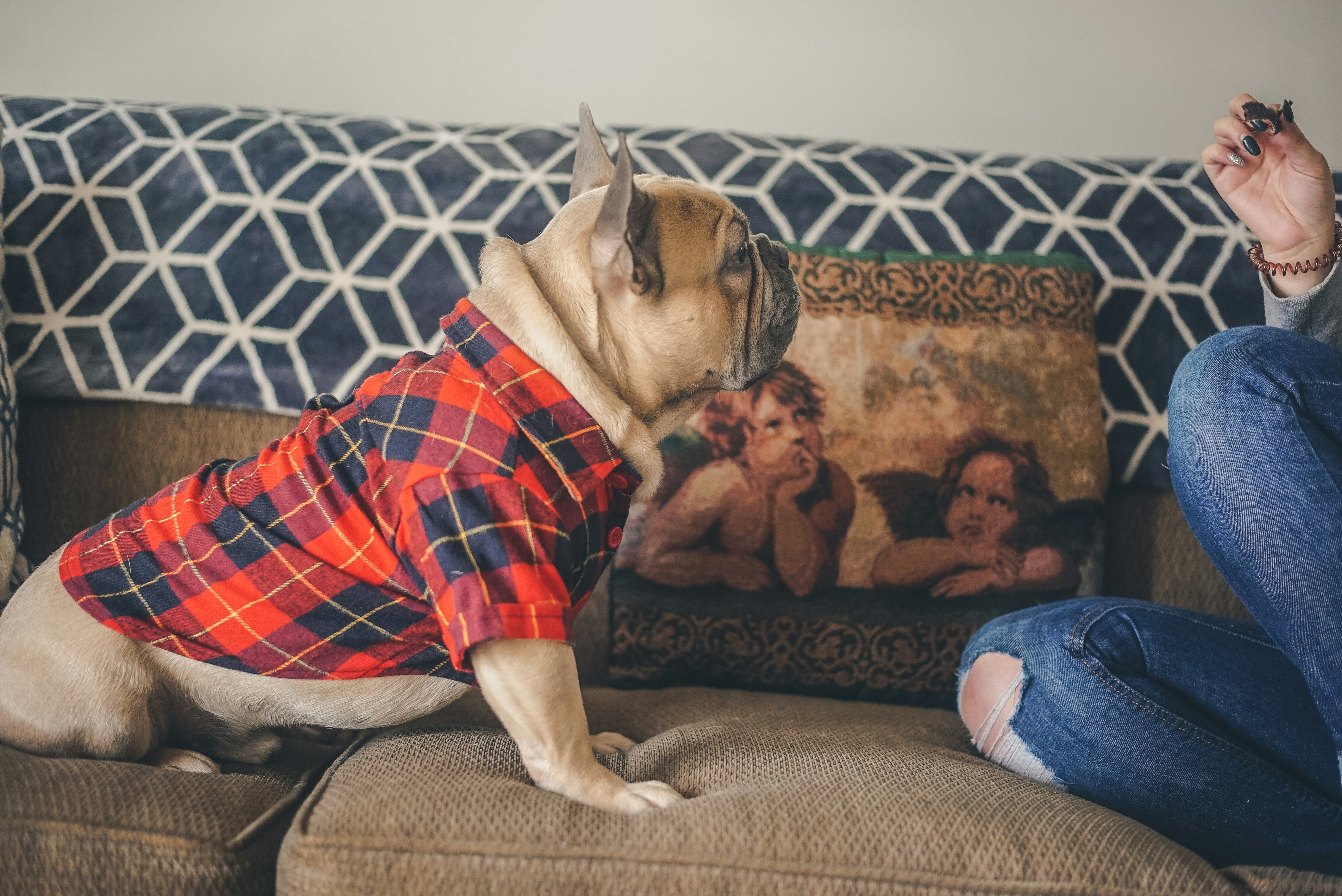
Selective hearing is an intriguing aspect of canine behavior, particularly prevalent in breeds like French Bulldogs. This phenomenon often manifests when a dog appears to ignore commands or cues provided by their owners, choosing instead to focus solely on stimuli that pique their interest, such as the promise of treats. Unlike outright disobedience, selective hearing reflects a dog’s prioritization of certain signals over others, depending on the context and its motivations.
French Bulldogs, known for their playful and affectionate nature, can exhibit selective hearing when they are presented with food or treat incentives. For instance, a Frenchie may choose to respond to the sound of a treat bag crinkling, rather than a call to come inside after playtime. This behavior can often lead to frustration for owners who may interpret it as stubbornness, however, it is essential to recognize that this is a natural part of canine communication. The underlying psychology involves the dog associating certain sounds or commands with positive outcomes, leading them to make decisions based on their immediate environment.
Understanding the factors influencing a French Bulldog’s selective hearing can help in developing effective training methods. For instance, using food as a reward can significantly enhance a dog’s responsiveness to commands, reinforcing positive behavior through association. Additionally, paying attention to a dog’s body language can provide clues; their behavior can shift based on the context. When owners acknowledge this selective attention as a normal trait rather than a failure to listen, it can foster a more positive and engaging training environment.
In essence, selective hearing does not signify a lack of understanding; rather, it indicates where a dog’s interests lie at any given moment. By exploring these dynamics, owners can enhance communication and connection with their French Bulldogs, leading to more effective training sessions.
The Role of Treats in Training and Communication
Effective communication and training play a crucial role in fostering a positive relationship between owners and their French Bulldogs. One of the most powerful tools at a dog owner’s disposal is the use of treats as a form of positive reinforcement. This method encourages desired behaviors, making it more likely that the dog will respond to commands in the future. When a Frenchie is rewarded with a tasty treat for following a command, they associate the action with a positive outcome, thereby increasing their willingness to obey.
Positive reinforcement works on the principle that behaviors followed by rewards are more likely to be repeated. By incorporating treats into training sessions, owners can tap into their French Bulldog’s strong affinity for food. Whether teaching basic commands such as “sit” or more complex tricks, utilizing treats as a motivator can significantly enhance a dog’s learning experience. It is essential, however, to choose treats wisely. Not all treats are created equal; selecting high-quality, nutritious options is vital to maintaining your dog’s health while ensuring their enthusiasm during training.
Additionally, the timing of treat delivery is critical for effective communication. Treats should be given immediately after the desired behavior is exhibited, reinforcing the connection between the action and the reward. This immediate response helps solidify the training and ensures that the dog understands what they are being rewarded for. To create a successful training routine, owners may consider varying the types of treats to keep their French Bulldogs engaged and eager to participate in training sessions. Ultimately, using treats strategically can lead to improved obedience and foster a deeper bond between owners and their beloved pets.
Common Commands and Training Tips for Your Frenchie
French Bulldogs, known for their charming nature and occasional stubbornness, require specific training methods to effectively learn commands. Among the most essential commands are ‘sit’, ‘stay’, and ‘come’. Each command can prove beneficial in enhancing your Frenchie’s responsiveness and overall behavior.
Starting with the ‘sit’ command, it is often the foundational command for many dogs. To teach this, begin by holding a treat close to your Frenchie’s nose and then slowly moving it upwards. As they shift their concentration upward, their rear will naturally lower to the ground. Once they are seated, promptly say ‘sit’ and reward them with the treat, reinforcing the desired behavior. Being consistent with this command builds a reliable response.
The ‘stay’ command may require a bit more patience. First, have your Frenchie sit, then place your open palm in front of them and firmly say ‘stay’. Gradually increase the distance between you and your dog, while extending the time they hold the ‘stay’ position. Utilize treats as motivation, rewarding them for remaining in place, which is especially important given Frenchies’ playful and sometimes distracted nature. Consistency is key, and short practice sessions are often more effective.
Finally, the ‘come’ command is crucial for safety and recall. Assure your Frenchie is on a leash initially, then say ‘come’ in an enthusiastic tone and gently pull on the leash as they move toward you. Reward with treats when they approach. It’s beneficial to practice this command in different environments, allowing your Frenchie to associate ‘come’ with a positive experience regardless of surroundings.
In conclusion, training your French Bulldog requires patience and consistency. Implementing treats as rewards greatly enhances the learning process, making it more enjoyable for you and your dog alike, ensuring your commands are effectively reinforced.
Troubleshooting Selective Hearing in Your French Bulldog
Selective hearing is a common concern among French Bulldog owners, often leading to frustration during training sessions or when calling their pets. Understanding the underlying reasons for this behavior is essential for effective communication with your Frenchie. One primary factor contributing to selective hearing may be distractions. French Bulldogs are known for their playful and curious nature, which can easily divert their attention away from commands. Owners should assess their environment when training, ensuring it is free from distractions that could hinder their dog’s focus.
Lack of engagement can also lead to selective hearing. French Bulldogs may be less responsive if they find the training sessions monotonous or uninteresting. To combat this, owners can incorporate a variety of training techniques and rewards to make learning more engaging. Using treats, praise, and interactive toys can significantly enhance the dog’s motivation to listen and respond. Additionally, varying training locations or utilizing outdoor settings can stimulate their interest and promote attentiveness during commands.
Health issues should not be overlooked when assessing selective hearing in French Bulldogs. Hearing problems can arise in older dogs or those with previous ear infections, which may affect their responsiveness. Regular veterinary check-ups can ensure that there are no underlying health concerns contributing to this behavior. Furthermore, ensuring that your Frenchie is physically fit and mentally stimulated through regular exercise and play can improve their overall cognitive function, making them more likely to respond.
By understanding the potential reasons for selective hearing and implementing these strategies, owners can foster improved communication with their French Bulldogs. Training should be viewed as an engaging and collaborative process rather than a chore. Adjusting training methods to better align with your dog’s learning style can lead to more successful outcomes and a stronger bond between owner and pet.