Understanding the Anatomy of French Bulldog Jaws
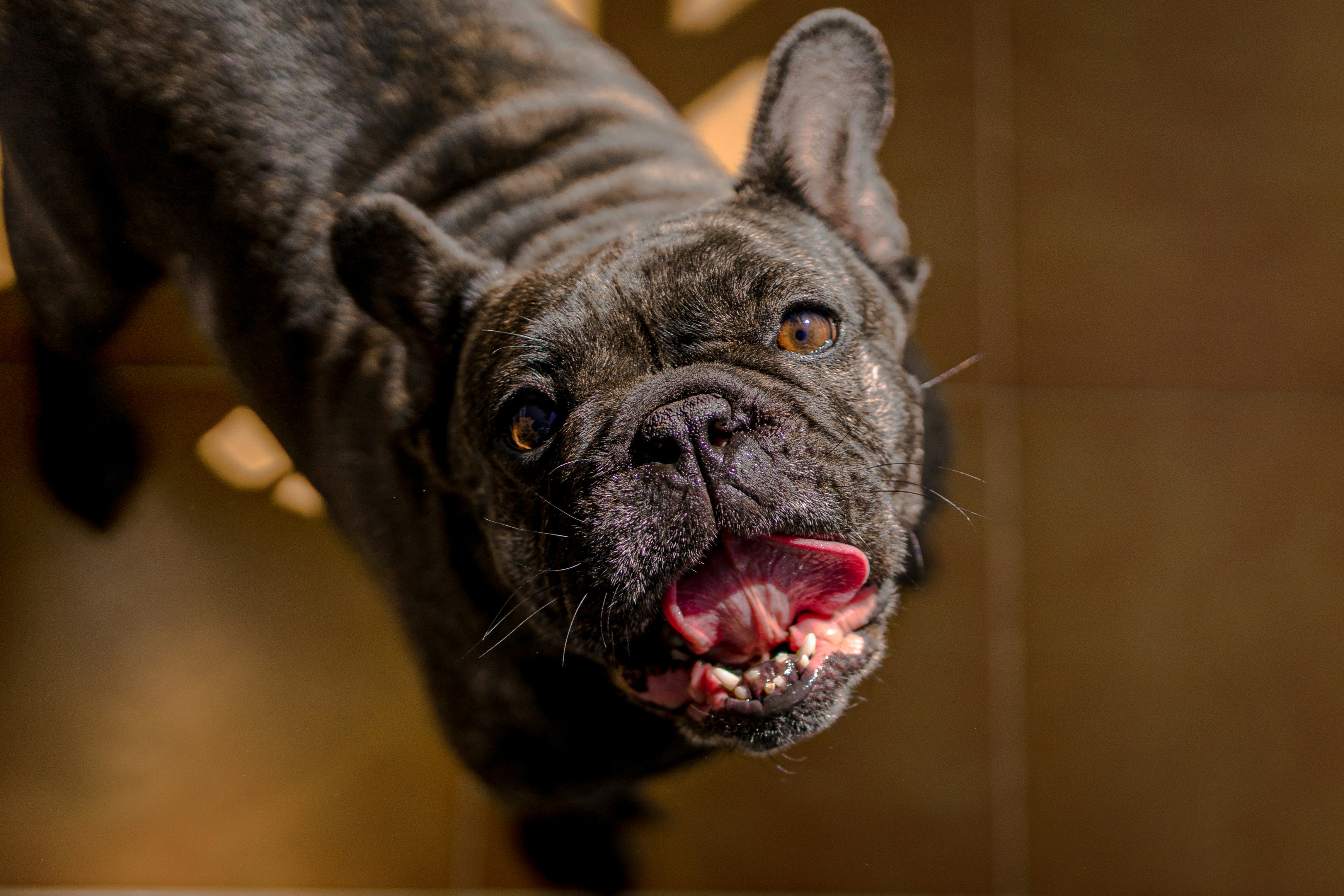
The French Bulldog is recognized for its distinct physical attributes, notably its brachycephalic skull structure, which has significant implications for its jaw anatomy. Brachycephaly refers to a short and broad head shape, characteristic of this breed. This anatomical feature results in a unique alignment of the jaw, as the French Bulldog possesses a shorter maxilla and mandible compared to other dog breeds. Consequently, the overall shape of their jaws is flattened, which contrasts sharply with the elongated jaws found in many other breeds.
This anatomical design impacts the mechanistic function of their jaws, influencing their bite and chewing efficiency. Although French Bulldogs possess a formidable set of teeth, their shorter jaw length may limit their biting power when compared with dogs boasting longer jaws, such as herding or working breeds. However, the unique jaw structure of French Bulldogs does allow for a strong grip, particularly suited for holding objects firmly. Additionally, their jaw musculature plays a vital role in their ability to utilize this grip effectively.
It is important to understand that the jaw anatomy of French Bulldogs can also have health implications. Being brachycephalic, they are prone to certain dental issues and respiratory problems due to the compact structure of their skulls, which can affect airflow and lead to obstructive conditions. Potential dental problems include misaligned teeth, overcrowding, and periodontal disease, all of which can stem from the breed’s distinctive jaw configuration. Thus, while French Bulldogs can certainly exhibit strength in their bite, the anatomical characteristics of their jaws necessitate careful attention to dental and overall health to mitigate potential complications.
Bite Strength Comparisons: French Bulldogs vs. Other Breeds
When discussing the bite strength of French Bulldogs, it is crucial to consider the metrics utilized in measuring a dog’s bite force. Typically, bite strength is quantified in pounds per square inch (PSI). Various studies have focused on this aspect to highlight the differences among canines. According to a research study from a notable veterinary journal, the estimated bite force of a French Bulldog ranges from 150 to 200 PSI. While this may seem modest compared to larger breeds, it is important to contextualize this value.
For comparison, the American Pit Bull Terrier boasts a bite force averaging around 235 PSI, while the German Shepherd’s bite force is estimated to be about 238 PSI. Larger dog breeds tend to exhibit higher bite strengths, which is an evolutionary adaptation associated with their roles in hunting or protection. However, French Bulldogs are not bred for these purposes; instead, their backgrounds are rooted in companionship and small-scale work. Thus, the perspective on bite strength varies significantly depending on the intended function of the breed.
Moreover, the physical structure of the French Bulldog contributes to its distinctive jaw characteristics. The brachycephalic shape results in a unique jaw alignment, which may affect not only their biting capability but also their overall dental health. While they possess a strong jaw for their size, it is not on par with larger breeds that exhibit significantly more forceful bites. Though their bite force may not be as formidable, the potential of a French Bulldog to inflict serious injury should not be underestimated, particularly in scenarios where aggressive behavior may manifest.
In compiling data and expert opinions about bite strength, French Bulldogs exhibit a middle ground compared to larger canines. Their bite power, while comparatively less vigorous than some breeds, still serves as a reminder that bite strength can vary widely among dog breeds, necessitating proper training and socialization.
Potential Risks and Health Concerns Related to Jaw Strength
The unique jaw structure of French Bulldogs, while contributing to their distinctive appearance, can predispose them to various health issues. One of the primary concerns is dental problems, as their short muzzle can lead to overcrowded teeth. Misalignment or overcrowding can result in periodontal disease, which is a significant health risk for this breed. Regular dental care, including professional cleanings and daily brushing, is crucial to maintaining oral health and preventing complications that may arise from untreated dental issues.
Additionally, the jaw strength of French Bulldogs poses a risk for potential jaw injuries. Their strong bite can result in trauma to the jaw if they engage in aggressive play or attempt to chew on hard objects. Being aware of toys and objects that might be too hard for their jaws is essential to prevent fractures or dislocations. Veterinary guidance on suitable toys can aid in minimizing these risks.
The conformation of French Bulldogs also affects their breathing. The brachycephalic nature of their facial structure can lead to obstructive airway problems, which may be exacerbated by a powerful jaw. Brachycephalic obstructive airway syndrome (BOAS) is a serious condition that arises from this anatomical structure and can impact their overall health. Owners should remain vigilant for signs of respiratory distress and seek veterinary assistance if any concerns arise.
Preventive care plays a vital role in managing the risks associated with the jaw strength of French Bulldogs. Regular veterinary check-ups that include dental assessments are recommended to detect early signs of oral disease. By committing to proper dental hygiene and being aware of potential injuries, owners can significantly enhance their French Bulldog’s quality of life and mitigate the health implications related to jaw strength.
Training and Managing Bite Behavior in French Bulldogs
French Bulldogs are known for their strong jaws, which can lead to instances of biting behavior if not properly managed. Training plays a crucial role in curbing any undesirable behavior associated with their biting tendencies. To effectively train a French Bulldog, it is essential to start early and incorporate consistent reinforcement strategies. Begin with basic obedience commands such as “sit,” “stay,” and “leave it.” These fundamental commands will provide a framework for more complex training and help establish authority and control.
Positive reinforcement is one of the most effective techniques for training French Bulldogs. This method involves rewarding your dog with treats, praise, or playtime when they exhibit desirable behaviors. By associating good behavior with positive outcomes, dogs are more likely to repeat those behaviors. For example, if your French Bulldog refrains from biting during a play session with humans or other dogs, immediately rewarding them can reinforce that behavior. Additionally, ensuring they engage in constructive activities like chew toys can redirect their biting instincts towards appropriate objects.
Behavior management is equally important when ensuring that your French Bulldog interacts safely with other pets and individuals. Regular socialization with other dogs and exposure to various environments can help mitigate aggressive tendencies often linked to fear or anxiety. Always supervise play sessions, especially with larger dogs, to monitor interactions and intervene when necessary. If your French Bulldog exhibits signs of aggressive play or excessive excitement, initiating a calm time-out can help them cool down and reset their behavior.
Incorporating consistent training, positive reinforcement, and effective behavior management strategies will enhance the overall quality of interaction between your French Bulldog and others while promoting a safe environment for everyone involved.